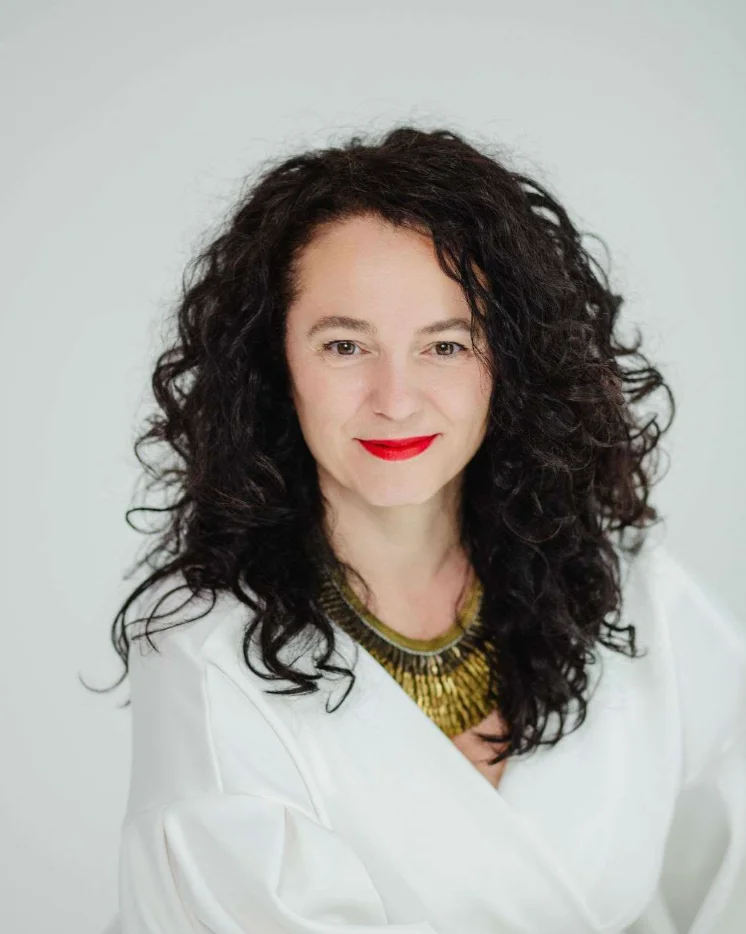
Katalin Orosz

Media · Conversations

Enter the conversation.

If it feels complicated at your table, it is not just at yours. A book, articles, podcasts, videos and case studies, so many ways of entering the conversation without starting with the hardest question.

Start a private conversationOr subscribe to House of Legacy

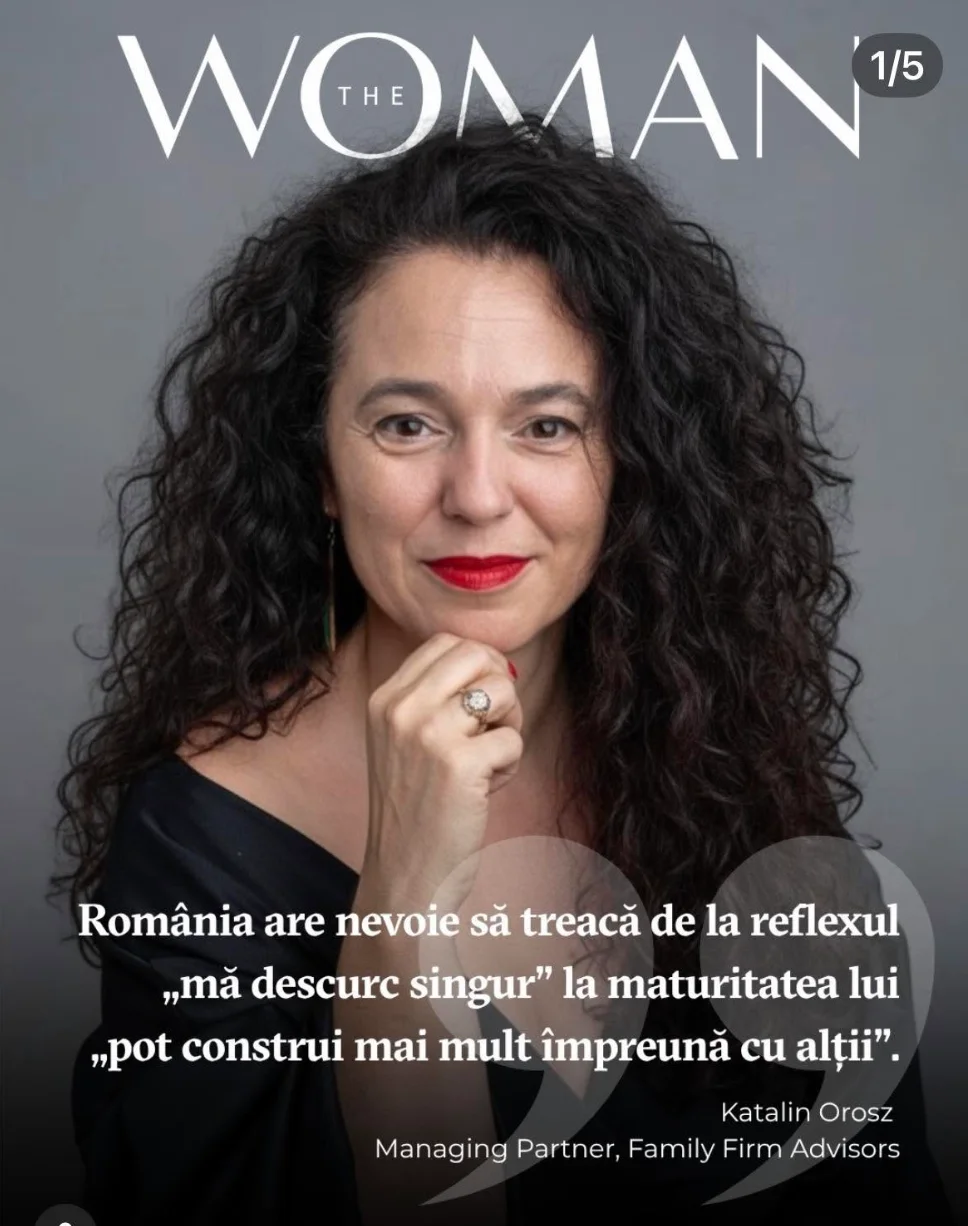
Interview · The Woman

Katalin Orosz, from the interview for The Woman magazine

From „I manage on my own" to „I can build more together"

About family, power and the way women hold entire businesses together, and why Romania needs to move from „I manage on my own" to „I can build more together with others".

Read the interview

Shorts

Short ideas that give you the language and the right question

Short videos in which I talk about the themes that help a family find its language, its clarity and the right questions, before the hard conversations.

ShortThe biggest lie while the business is still doing well
ShortWhy profitable family businesses fall apart
ShortWhy founders find it hard to let go of control
ShortWhat a founder risks when everything depends on him
ShortWhen conflict between generations is a sign of maturing
ShortWhy a legacy without instructions is dangerous
ShortA united family vs. a real leadership team
ShortWhy family businesses are at a critical moment today
Start a private conversation

Highflyers · Vrei Să Fii Antreprenor

I build entrepreneurs, not just businesses.

I am the founder of the Highflyers program, the profit centre of „Vrei Să Fii Antreprenor" (VSFA), the Romanian Business Leaders program that builds, nationally, the entrepreneurial spirit in teenagers.

And through my live program, national and online, I have already worked with more than 70 entrepreneurs on the transition from effort to system.

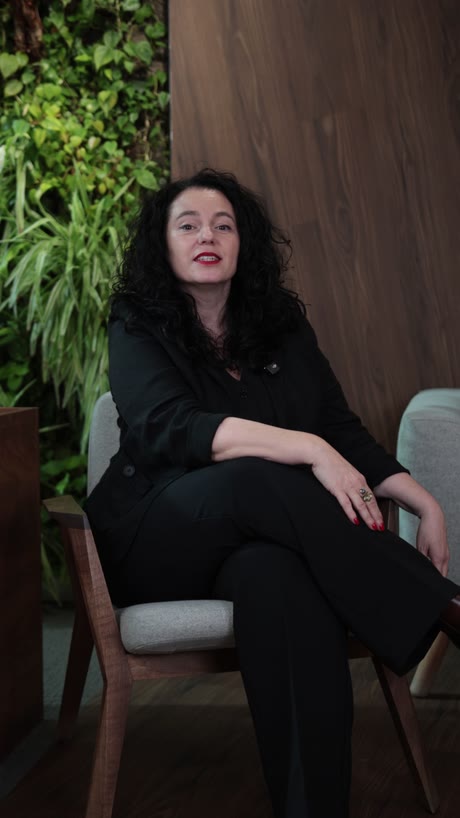
Katalin Orosz and Cosmin Sava in the HighFlyers ad

House of Legacy

Sometimes, an article is the easiest way to begin

The place where the hard questions become easier to name: roles, silences, succession, wealth, power, children, founders and continuity.

House of Legacy · Article

A family business does not break first in the business

When roles, authority and succession stay ambiguous, the rupture does not start in the profit. It starts in the relationships, in the decisions and in the silences that end up running the business from the shadows.

„From the outside, it looks simple: you work with your own people, you trust one another, you share the success and you support each other in hard times. From the inside, though, you quickly discover that there is not just a single «we». There is a we in the family, a we as owners and a we as the business team. And each «we» has different rules, different priorities and a different rhythm."
Afaceri de familie · the subchapter „How this book helps you"

One of the greatest illusions in a family business is that, if the business is doing well, the rest will settle by itself. It does not settle. It is postponed. And what is postponed too long begins, sooner or later, to cost.

The cost does not first appear in the numbers. It appears in decisions that are delayed. In unclear authority. In successions pushed further out under the pretext that „it is not the moment yet". In siblings who no longer say everything. In very good people who tire before they leave.

Because what is unclear does not stay personal. It moves into the structure. It moves into the decision. It moves into the succession. And, sooner or later, it moves into the profit and into the future of the family.

If you want a useful first step as early as tomorrow, do not start with the question „who is right?". Start with four clarifications: who decides, who executes, who owns and who follows. If you cannot answer one of them clearly, you do not have a communication problem. You already have a structure problem.

House of Legacy brings, once every two weeks, the conversations many families postpone until they become costly. For more than an article, open the book Afaceri de familie. For the first step, send this text exactly where the subject is still being avoided.

Open the book on Nemira

House of Legacy · Article

How you lead the future

The article is about the double transition in family businesses: the moment when the business has to change, while power begins, slowly, to move between generations. It is not a simple conflict between „old" and „new", but the difficult meeting between the intelligence of survival and the intelligence of continuity.

„We are living through a double transition. And this double transition changes family businesses more profoundly than any new technology."
Afaceri de familie · Chapter „The double transition"

There is a sentence that comes up often in companies built by strong founders. Sometimes it is said with pride, sometimes with weariness, sometimes as a warning: „This is how we grew." And, most of the time, it is true.

They grew with instinct, with courage, with speed, with personal risk, with decisions made before all the data existed. The first generation did not have the luxury of leading from PowerPoint, it had to survive. And no one should speak lightly about that, because many of the companies we admire today exist precisely thanks to this survival mind.

The problem appears when the same mind is asked to lead a stage that calls for something else. Not because the founder is no longer valuable, but because the game has changed. The company no longer competes only with the neighbour, but with technology, speed, new consumption models and generations who think differently about work, authority, money and meaning.

We are not talking about a simple conflict between old and new, but about two different kinds of intelligence: the intelligence of survival and the intelligence of continuity. The first asks: how do we get through today? The second: how do we stay relevant ten years from now? In many families, these two questions fight instead of collaborating.

This is one of the most subtle forms of risk in a mature family business. Not bankruptcy, but success that becomes an argument against change. „It has worked so far" becomes the phrase that stops the uncomfortable questions; „the children still do not understand" becomes the reason to postpone the transfer of responsibility.

The cost does not appear immediately as a crisis. It appears more discreetly: in postponed digital projects, in young people who no longer propose anything, in good directors who do not understand who decides, in a company that is still doing well but starts to lose speed. And then we are surprised that the next generation seems uninvolved. But sometimes it is not uninvolved. It is unused.

The first step is not the founder's withdrawal. It is the clear separation between three things: experience, authority and the future. Experience must be respected, authority must be clarified, and the future must be built together, not handed over on a festive day, with emotions and fine speeches.

A simple but powerful solution: make a list of five strategic decisions for the next three years, investments, digitalisation, key people, new markets, operational succession, and for each one, write clearly who proposes, who analyses, who decides and who executes. If the founder appears everywhere, you do not have succession. You have only the appearance of continuity.

House of Legacy brings, once every two weeks, the conversations many families postpone until they become costly. For more than an article, open the book Afaceri de familie. For the first step, send this text exactly where the subject is still being avoided.

Open the book on Nemira

House of Legacy · Article

Should all the children receive the same?

The article is about one of the most delicate conversations in entrepreneurial families: what it means to divide fairly when one child has carried the business forward and another has chosen a separate path. It is not a discussion about more or less love, but about ownership, leadership, benefit and responsibility.

„All the children must receive the same. At first glance it sounds like a fair statement. But it is an arithmetic fairness, not a relational one."
Afaceri de familie · Chapter „Legacy without instructions"

Few sentences sound more correct, more moral and more reassuring than this one: „The children must be treated equally." In the family, perhaps so. In love, ideally, yes. But in a family business, things become much more complicated.

Because the business does not run by the logic of the Sunday table. It does not work well when ownership, work, risk and responsibility are all put in the same box and divided arithmetically.

One child stayed in the company for twenty years: grew teams, kept customers, went through crises. Another child chose a separate career, perhaps very legitimate, but did not carry the same operational weight. Then comes the moment of inheritance and the family says: we divide equally. On paper, it looks like peace. In reality, it can be the beginning of conflict.

Here something uncomfortable must be said: equality is not always equity. The mature question is not only „how do we divide fairly?", but „what exactly are we dividing?", because three different things get dangerously confused: ownership (who owns), leadership (who decides) and benefit (who receives value from what has been built).

Two siblings can hold equal shares, but different involvement. Equal rights, but different competencies. Equal access to dividends, but completely different visions about risk, investment, sale or succession. And then, what looked like a fair decision becomes a structure impossible to govern.

Founders often avoid this conversation because it hurts. But it is precisely avoiding it that creates the greater wound. Because the lack of clarity does not protect the children, it leaves them to fight later over an intention the parent did not have the courage to formulate.

A concrete first step: do not start from percentages, but from roles. Write on a single page the answers to four questions, who will own, who will lead, who will benefit, who will have the right to decide on the future, and only after that discuss the percentages.

Because an equal division without clear roles is not generosity. It is an invitation to conflict. The children do not necessarily have to receive the same, but they must understand why they receive differently. And that is not resolved by a fine phrase in a will, but by a conversation held in time.

House of Legacy brings, once every two weeks, the conversations many families postpone until they become costly. For more than an article, open the book Afaceri de familie. For the first step, send this text exactly where the subject is still being avoided.

Open the book on Nemira

House of Legacy · Article

How much time do you have before succession starts to cost?

Succession does not start to cost when the founder leaves. It starts earlier: when the next generation is kept close but not prepared, when authority stays unclear and when time is mistaken for strategy.

„The children do not want everything. But they want something clear. Often they were protected, not prepared. They were told: «You have time.» But time is nothing without responsibility."
Afaceri de familie · Chapter 4: „Succession"

One of the most dangerous illusions in a family business is that succession can wait at no cost. It cannot.

The cost appears first in the relationships. In the children who do not know whether they are truly wanted in the business or only assumed to be obliged to stay. In the siblings who begin to compare what they were given, what they were promised and what was hidden from them. In the founder who believes he is protecting, but ends up controlling. In the silences that accumulate between generations until no one says directly what they want anymore.

Then the cost enters the business. Decisions are postponed. Key people no longer know who really decides. The team learns to read the founder's mood, not the company's structure. And the business begins to run with the brake on, exactly at the moment when the market demands clarity, speed and maturity.

After that, the cost reaches the wealth. Not only because documents are missing, but because order is missing. Who inherits? In what capacity? With what responsibility? What is salary, what is dividend, what is control? When these questions are postponed too long, wealth no longer protects continuity, it begins to feed frustrations and blockages.

And, in the end, the cost reaches continuity. Because a multigenerational legacy is not built only from assets, but from clarity, legitimacy, discipline and the trust that the next generation knows not only what it receives, but also what it has to carry forward.

This is where it becomes late. Not when the withdrawal is signed, not when a document appears, but when the next generation arrives at the table without a path, without authority and without real training, while the founder still holds, alone, in his head, the whole future of the company.

If you want to take a concrete first step tomorrow, do not start with the discussion about withdrawal. Start with a page divided in four: who decides today, who has to learn to decide, what is not yet delegated and what risk appears if everything stays the same for another 12 months. The cost of succession does not come from a lack of good intentions. It comes from the lack of a clear path.

House of Legacy brings, once every two weeks, the conversations many families postpone until they become costly. For more than an article, open the book Afaceri de familie. For the first step, send this text exactly where the subject is still being avoided.

Open the book on Nemira

Subscribe to House of Legacy: Subscribe on LinkedIn

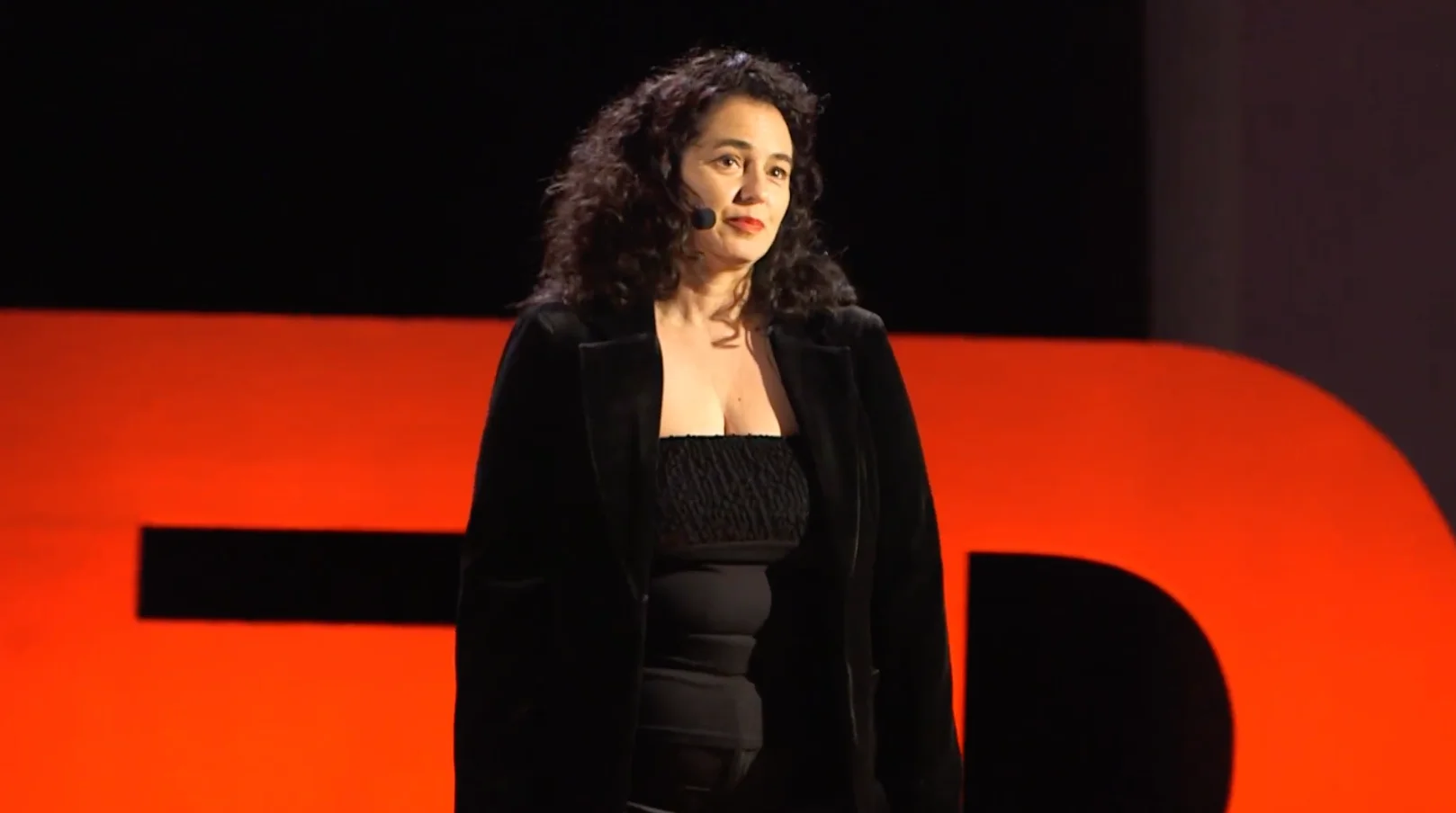
TEDx · TEDxTârgu Mureș

The only thing we need in order to grow: to know how to collaborate.

Twelve years in Canada taught me something uncomfortable about us, the ones here. There, things grow faster, not because people work harder, but because they know how to work together.

In Eastern Europe, we do not lack talent. We lack the confidence to build with the other person. And without it, everyone starts over, alone.

Katalin Orosz on the TEDxTârgu Mureș stage, in front of the red TEDx letters

It is the same idea I build in the book: a business, like an entire region, grows through the way we choose to work together.

TV · Forum Economic

When the conversation reaches the public, it becomes easier to bring home

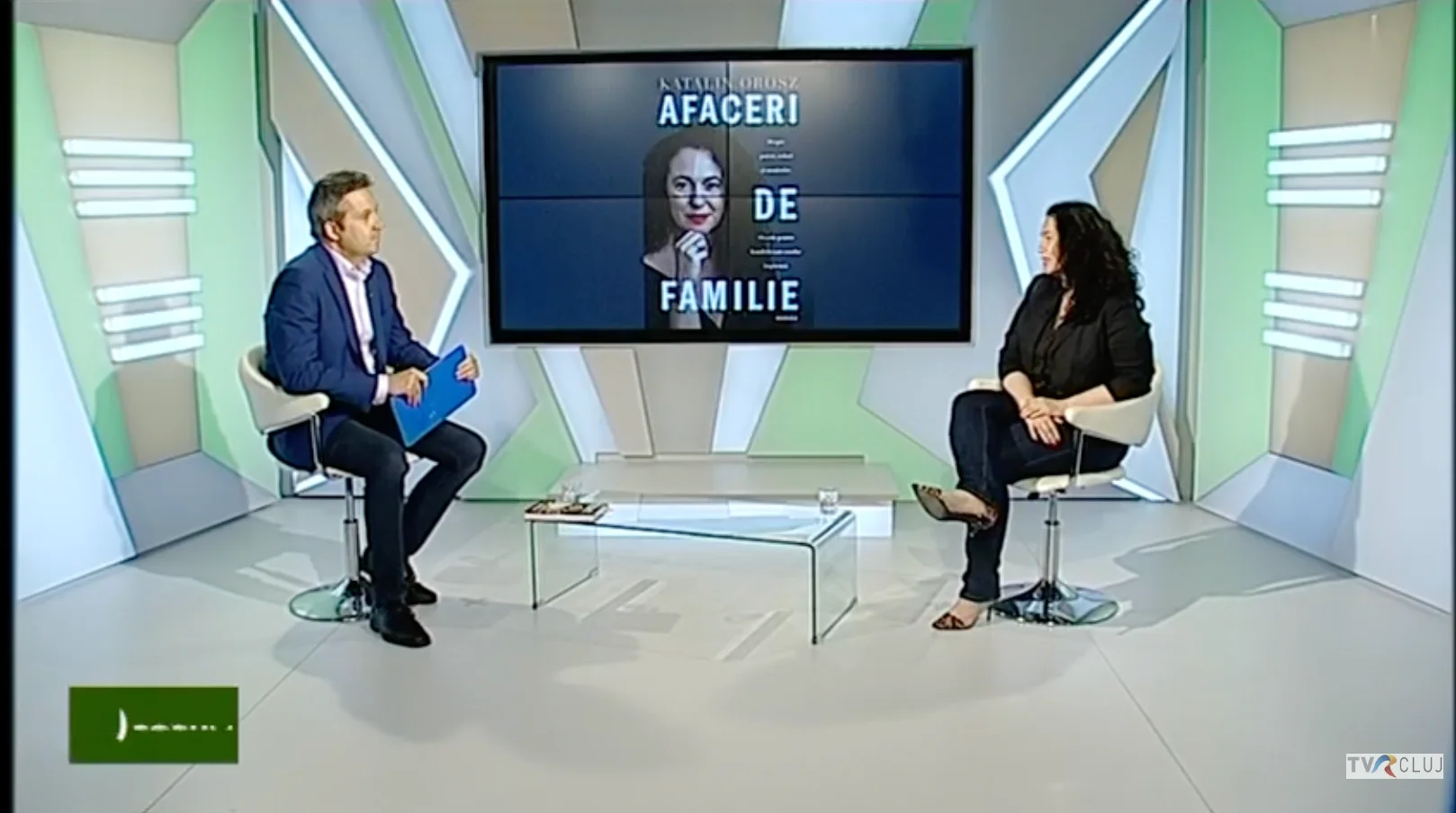
An interview on TVR about family businesses, when the hard questions are spoken in public, they become easier to bring to the table at home.

Katalin Orosz on the Forum Economic show, TVR
Forum Economic · TVR

A conversation about family, power and continuity

An interview on the Forum Economic show, broadcast on TVR, about family businesses, succession and the way families stay together around a business.

Choose how you go further

You do not have to begin with the hardest step. You just have to begin somewhere.

You can listen. You can read. You can watch a short video. You can start with the book or you can request a private conversation.

Read the bookRequest a private conversation